Why Potency Varies in Psychedelic Mushrooms
Potency is one of the most misunderstood topics in psychedelic mushroom education. Many people assume that a strain name reliably predicts strength, but the reality is more complex.
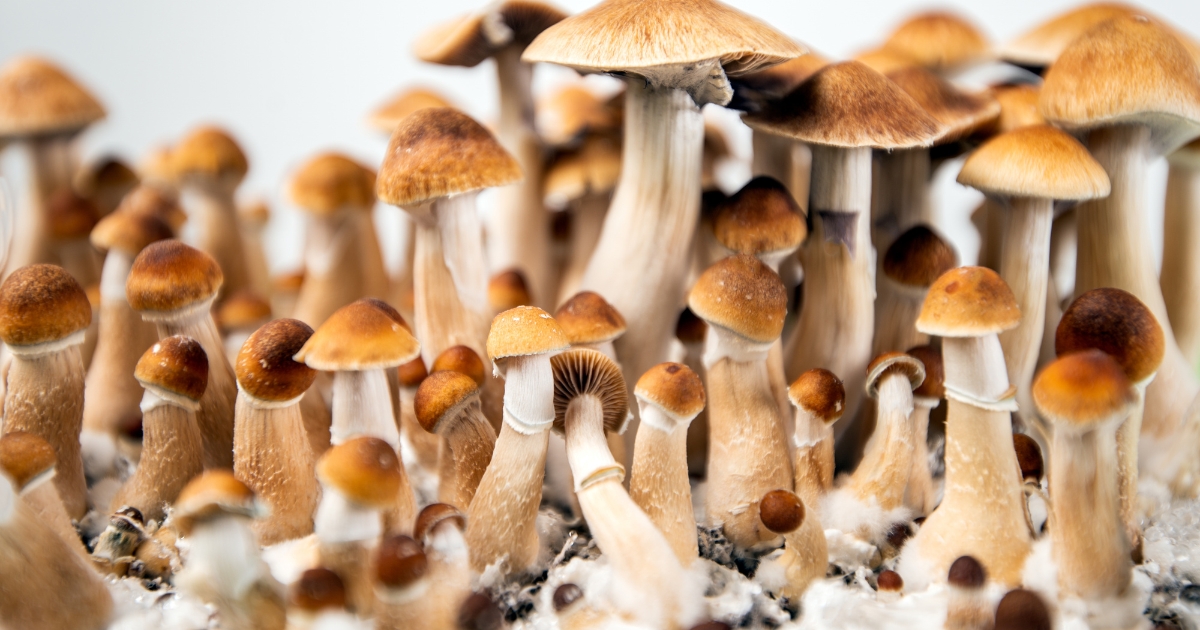
Psychedelic mushroom potency depends on many factors, including species, genetics, environment, maturity, storage, and chemical degradation. Even mushrooms with the same strain name can differ significantly in psilocybin and psilocin content.
Species Differences
Different mushroom species can naturally produce different amounts of psilocybin and psilocin. For example, Psilocybe cubensis, Psilocybe semilanceata, Psilocybe cyanescens, Psilocybe azurescens, and Panaeolus cyanescens may differ substantially in average chemical profile.
This is why it is not scientifically accurate to treat all psychedelic mushrooms as interchangeable.
Genetic Variation
Within a species, genetics can influence alkaloid production. Psilocybe cubensis includes many named lineages and varieties, and research has increasingly examined how strain variability relates to biochemical content.
A recent review of P. cubensis strains describes the interaction between genetic diversity, strain variability, phenotype, environmental factors, and biosynthesis of psilocybin and psilocin.
Environmental Factors
Environmental conditions can affect mushroom development and chemistry. Even with the same genetic lineage, different conditions may produce different results. This makes it difficult to make universal potency claims based only on a strain name.
Maturity and Handling
The stage of development, drying conditions, storage, exposure to light, oxygen, heat, and time may all influence chemical composition. Psilocin in particular is less stable than psilocybin, which means handling and storage can affect the final chemical profile.
Laboratory Testing
The only reliable way to determine potency is chemical analysis. Methods such as LC-MS/MS can quantify psilocybin and psilocin in mushroom samples. One study developed an LC-MS/MS method for measuring psilocybin and psilocin in Psilocybe cubensis strains, including Blue Meanie, Creeper, B-Plus, Texas Yellow, and Thai Cubensis.
This matters because anecdotal rankings of “strongest strains” are often unreliable. Without lab testing, potency claims remain approximate.
Why Strain Reputation Can Be Misleading
Some strains have reputations for being stronger than others. Penis Envy and related lineages, for example, are often discussed this way. However, reputation is not the same as chemical evidence.
A strain name may not guarantee:
- identical genetics
- identical alkaloid content
- identical subjective effects
- identical potency across samples
- identical results between producers or batches
Subjective Effects Are Not Just Potency
The subjective experience of a psychedelic mushroom is influenced by more than chemical concentration. Psychological state, environment, expectations, prior experience, physiology, and context all affect how a person experiences a psychedelic.
This is why two experiences with chemically similar mushrooms can feel different.
Comments are closed